The Quantum and AI Revolution: What Comes Next?
In an era marked by rapid technological development, we stand on the threshold of a revolution that could change how we understand and apply technology: the integration of quantum computing and ar...
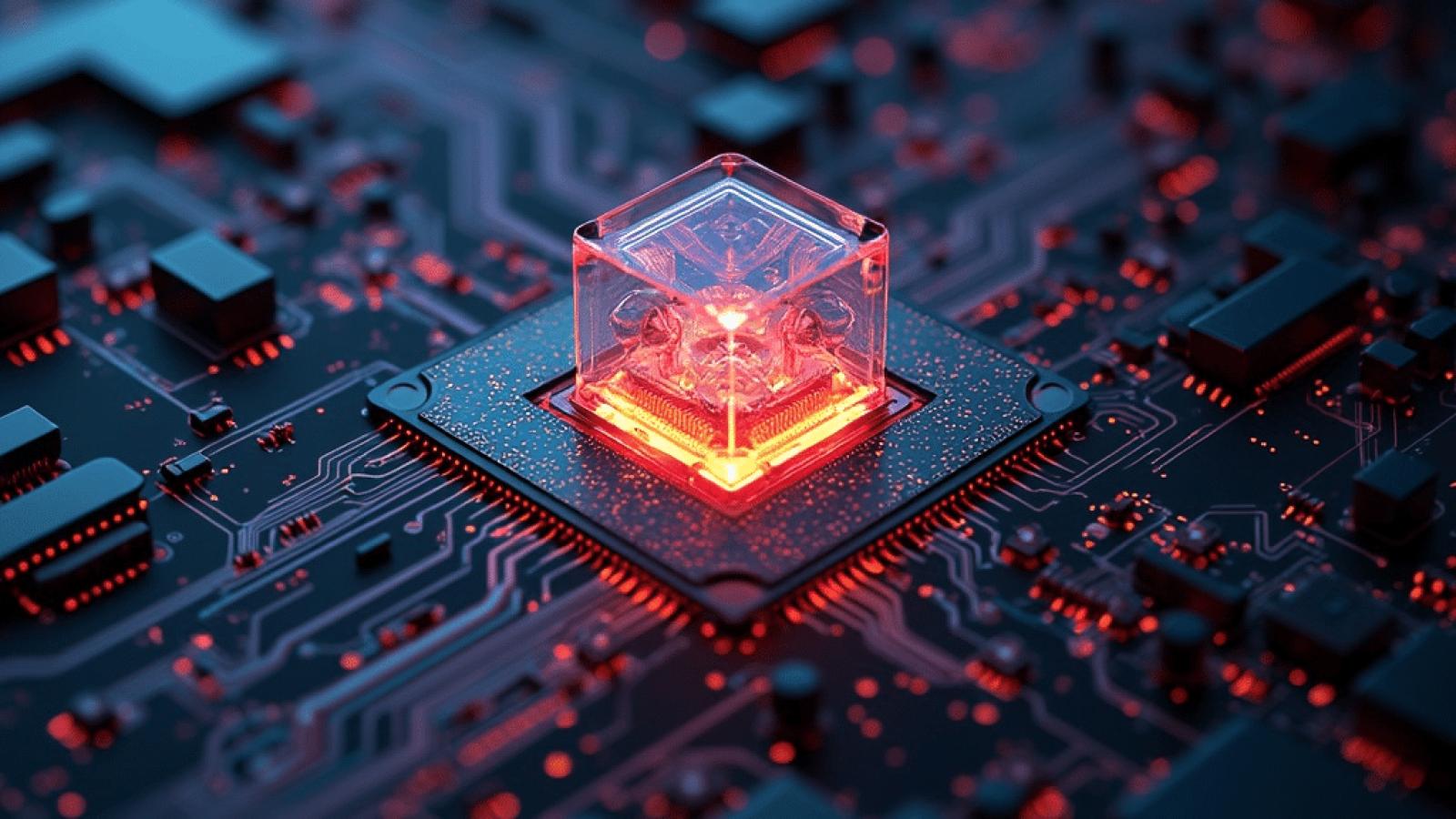
In an era marked by rapid technological development, we stand on the threshold of a revolution that could change how we understand and apply technology: the integration of quantum computing and artificial intelligence (AI). This synergy promises to revolutionise sectors such as healthcare, finance, energy and technology. But what does this integration actually involve, and what can we expect in the future?
What Is Quantum Computing?
Quantum computing is a form of data processing that exploits the principles of quantum mechanics to perform calculations far faster than today's classical computers. Instead of using bits that are either 0 or 1, quantum computers use so-called qubits that can exist in multiple states simultaneously. This enables them to perform many calculations in parallel, which can be especially useful for problems that are too complex for traditional computers.
AI and Quantum Computing: A Perfect Partnership?
The integration of quantum computing and AI has been seen as a game changer. According to an article from Quantinuum, quantum computers will be able to improve AI models by delivering more accurate results and reducing the resource use of the processes. This could result in more sustainable AI solutions, which is a significant challenge in today's AI landscape where greater computing power often means higher energy consumption (kilde).
Another interesting article from Forbes highlights that the collaboration between companies such as IonQ and NVIDIA is an example of how quantum computing can be integrated with classical systems to develop practical applications. This partnership could enable more efficient algorithms and data processing, which could lead to major advances within AI and related technologies (kilde).
Companies at the Forefront of Quantum and AI Development
Several companies around the world are actively working to develop quantum computing and AI. Here is an overview of the most prominent players:
- IBM
- Progress: IBM is at the forefront with its quantum computing platform, IBM Quantum, which gives researchers and developers access to quantum computers via the cloud. They have also developed Qiskit, an open-source programming language for quantum computing.
- Status: IBM has announced that it will offer quantum services commercially as early as 2025.
- Google
- Progress: Through its Quantum AI team, Google has made significant advances, including the demonstration of "quantum supremacy" in 2019. Their quantum computer, Sycamore, has the ability to perform specific calculations much faster than classical supercomputers.
- Status: Google is working towards launching several quantum projects and will probably introduce commercial solutions within the next three to five years (kilde).
- Microsoft
- Progress: Microsoft is developing its quantum computing solution as part of the Azure platform. They have also introduced Q# as their programming language for quantum computing.
- Status: Microsoft plans to have its quantum solutions available in the cloud before 2027.
- Rigetti Computing
- Progress: Rigetti offers quantum computers via its Feather platform in the cloud and is working to develop algorithms that can be integrated with existing AI technologies.
- Status: The company collaborates with several universities and research institutions to accelerate its development, with the goal of making commercial services available by 2026.
- IonQ
- Progress: IonQ focuses on developing quantum computers with the potential for broader application, including within AI. It has formed partnerships with both Microsoft and Amazon to integrate its systems into the cloud.
- Status: IonQ expects to become the first quantum company listed on the stock exchange in 2025, which could unlock significant capital for further development (kilde).
The Impact on Industries
The future of quantum computing and AI looks promising, with a number of sectors facing significant changes:
- Healthcare: Quantum computers can analyse large datasets of genetic information, which can lead to better diagnosis and tailored treatment methods. This is of great importance for developing effective treatment strategies against complex diseases such as cancer (kilde).
- Finance: In the financial sector, quantum computing can provide better models for risk assessment and portfolio management. The ability to simulate and analyse multiple scenarios quickly can give investors a significant advantage in decision-making (kilde).
- Energy: In the energy field, quantum computers can optimise production processes and resource management, such as improving energy efficiency and reducing the costs of renewable energy. This can accelerate the transition to green energy and sustainable solutions (kilde).
Conclusion
The integration of quantum computing and AI represents an exciting shift in the technology landscape. With the ability to solve problems that have previously been out of reach, we can envisage a future where these technologies not only improve existing processes, but also create entirely new products and services. Going forward, we should expect an increase in investment and innovation in this sector, opening up new opportunities for both established companies and startups.
Although we are still a few years away from widespread public use of quantum computers, we are already seeing many future applications and collaborative projects that could change industry standards. Our ability to understand and harness these technologies will, to a large extent, define the society of the future. With this revolution at our side, we are ready to navigate a new chapter in technological development.
For more detailed analysis and news about the future of quantum and AI technology, check out Quantinuum og Forbes.