Neuralink gives ALS patients their voice back
A man who lost the ability to speak due to ALS can now communicate again thanks to a Neuralink implant in his brain. Kenneth Shock is the first patient to have his...
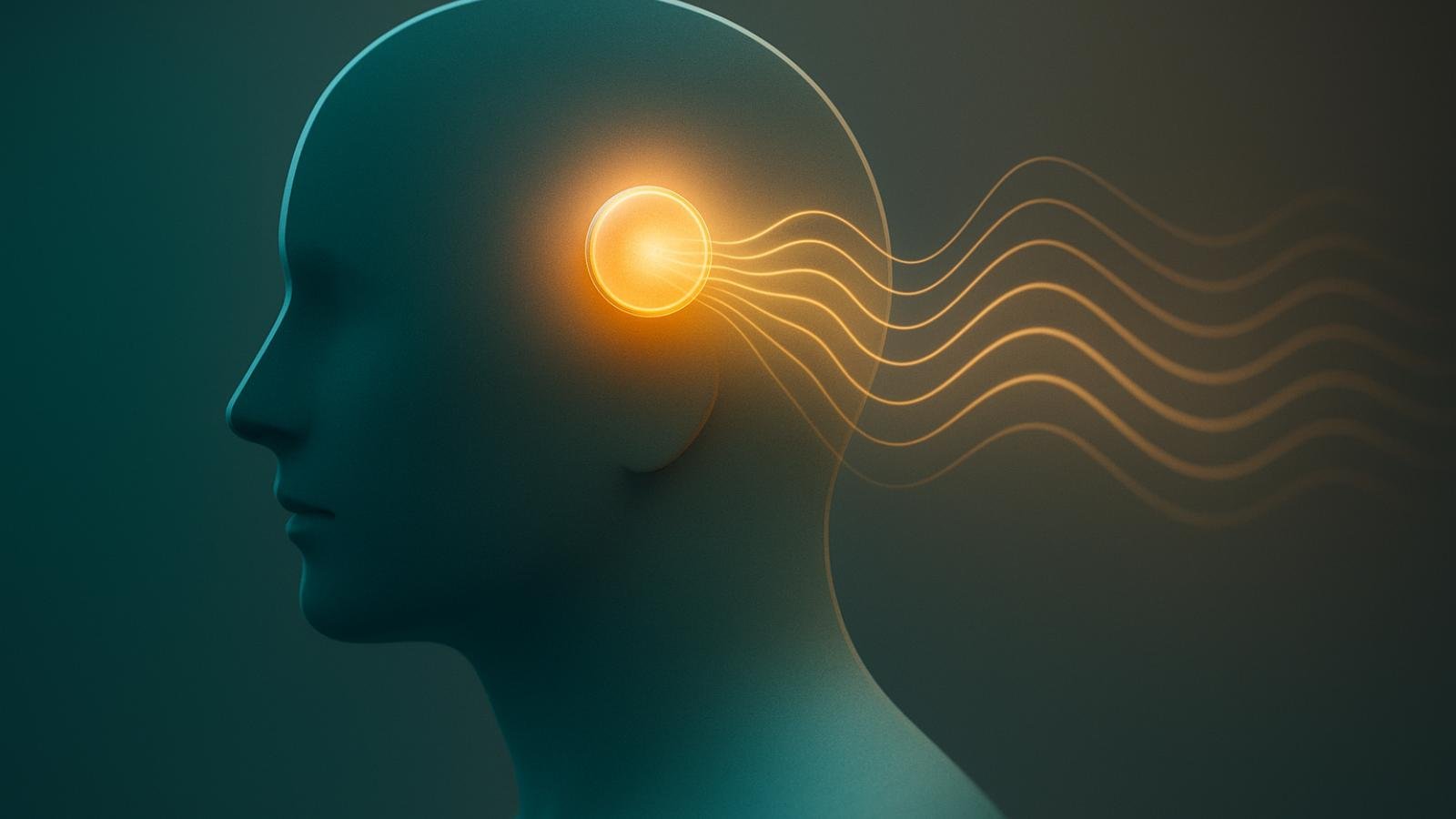
A man who lost the ability to speak due to ALS can now communicate again thanks to a Neuralink implant in his brain. Kenneth Shock is the first patient to have his speech restored through the company's "Voice" clinical study.
How does it work?
The Neuralink implant reads signals from the brain regions involved in speech production, even when the patient can no longer physically speak. These neural signals are then decoded into phonemes and words, which are recreated as synthetic speech in real time.
Previous solutions for ALS patients have required eye movements or head movements to control computers. The Neuralink approach goes straight to the source: the neural signals that would have produced speech if the muscles still worked.
A breakthrough for "locked-in syndrome"
For patients with ALS (amyotrophic lateral sclerosis) and other neurological conditions, the loss of the ability to communicate can be just as devastating as the loss of mobility. This technology represents hope for millions of people with:
- ALS
- Severe strokes
- Locked-in syndrome
- Spinal cord injuries
Clinical trials under way
Neuralink stated in January 2026 that the goal of the Voice study is to restore "real-time speech" by decoding signals from the brain regions involved in speech production. Kenneth Shock is the first patient to publicly demonstrate the technology in practice.
The road ahead
Although the technology is still in early testing, the results from Kenneth Shock show that brain-computer interfaces (BCI) can be more than science fiction. For Norwegian patients, it will still take time before such solutions become available through the healthcare system, but the research is paving the way for a future where communication is no longer lost.
Sources:
- India Today (25 March 2026)
- Inshorts (26 March 2026)
- Neuralink clinical study documentation
Related topics: #Neuralink #ALS #BrainComputerInterface #MedicalTechnology #Norway