Deepfake technology now in real time: What does it mean for security?
A new open source tool makes it possible to swap faces in real time using just a single image. The technology is impressive, but security experts are sounding the alarm.
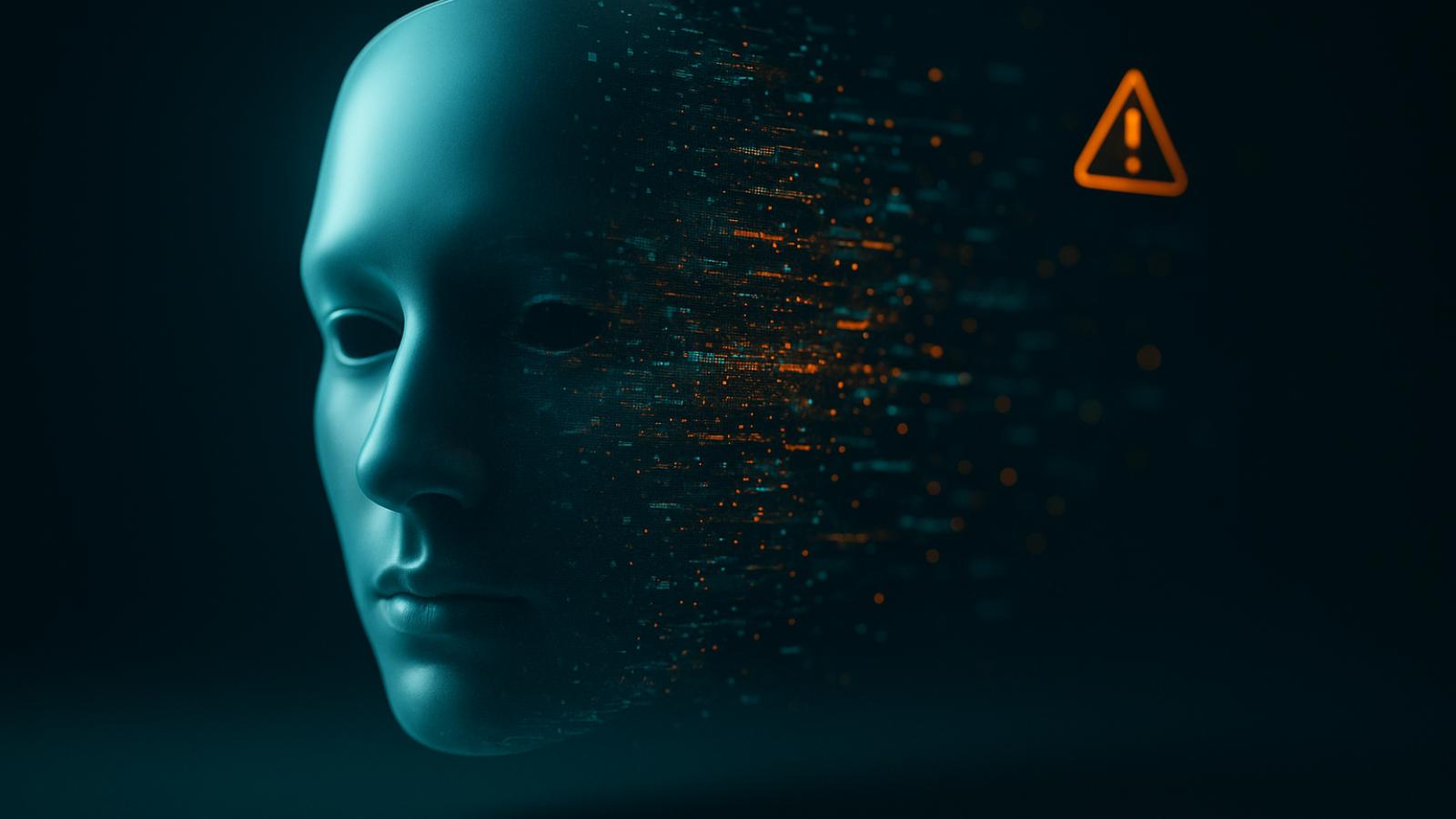
A new open source tool makes it possible to swap faces in real time using just a single image. The technology is impressive, but security experts are sounding the alarm.
Deep-Live-Cam, a Python-based tool that has exploded on GitHub with over 84,000 stars, demonstrates how far deepfake technology has come - and how accessible it now is.
What is Deep-Live-Cam?
The tool can replace your face in a webcam feed or video with another person's face in real time. All that is needed is:
- A single image of the person you want to imitate
- A standard PC with a graphics card
- The open source software (freely available)
Previously, deepfakes required extensive processing and took hours or days to produce. Now it happens in real time, at 30-60 frames per second.
The technology
Deep-Live-Cam uses advanced neural networks (GANs - Generative Adversarial Networks) trained on millions of faces. The system:
- Identifies facial features in real time
- Maps the target face onto the source face
- Adjusts for lighting, angle and expression
- Renders the result with no noticeable delay
Legitimate use cases
The developers highlight positive applications:
- Entertainment: Games, film production, virtual avatars
- Privacy: Anonymising faces in video calls
- Creative content: Digital performances, artistic expression
The security threats
But experts warn against misuse:
Identity protection:
- Video verification (banks, public services) becomes vulnerable
- Video evidence in court cases loses credibility
- Celebrities and politicians can be imitated convincingly
Fraud and extortion:
- Fake video calls can trick employees into transferring money
- Deepfake pornography without consent
- Disinformation and manipulated political speeches
How to protect yourself?
Security experts recommend:
- Liveness detection: Require users to perform random movements (blink, smile, look to the side)
- Multi-factor authentication: Don't rely on video alone
- Behavioural biometrics: Analyse speech patterns, movement patterns, typing style
- Source verification: Confirm important video calls via alternative channels
Legislation and regulation
Norway and the EU are working on regulation:
- The AI Act (EU): Requires labelling of AI-generated content
- Deepfake ban: Several countries prohibit deepfakes without consent
- Platform responsibility: Social media must remove harmful deepfakes
But the technology is evolving faster than the law.
What can you do?
As a private individual:
- Be sceptical of surprising video calls that ask for money or information
- Check the metadata on important videos
- Use a code word with family to verify identity
- Report deepfakes that misuse your identity
Conclusion
Deep-Live-Cam demonstrates both the potential of AI technology and the challenges it creates. As with all powerful technology, the key lies in responsible use and robust security measures.
The question is not whether deepfake technology will be used against us, but when - and whether we are prepared.
Links
- GitHub: https://github.com/hacksider/Deep-Live-Cam